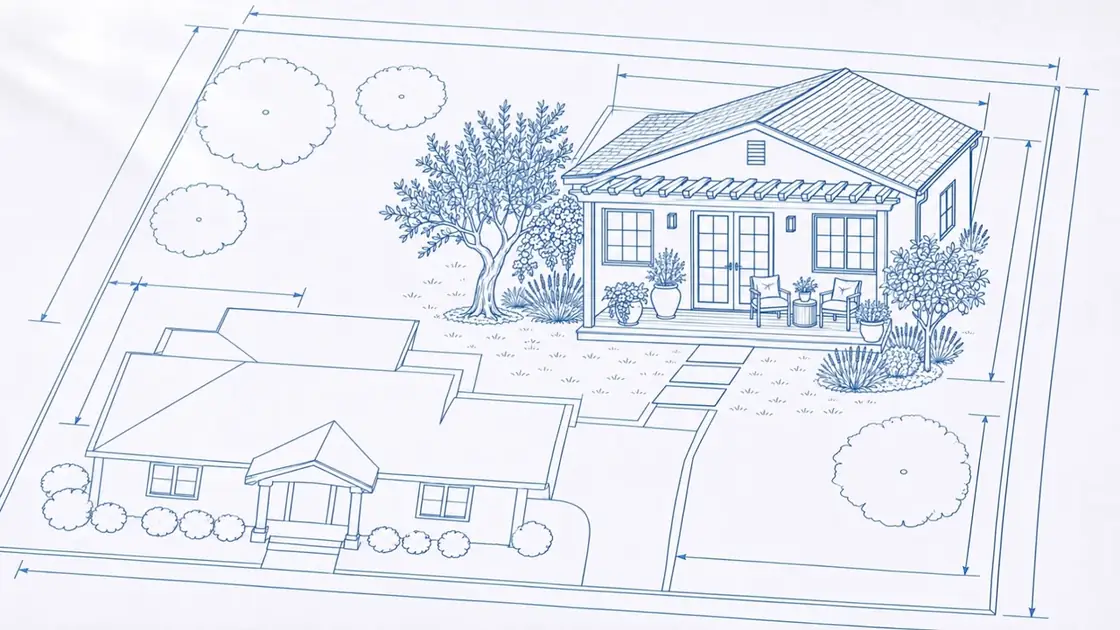
How to choose an ADU contractor in California
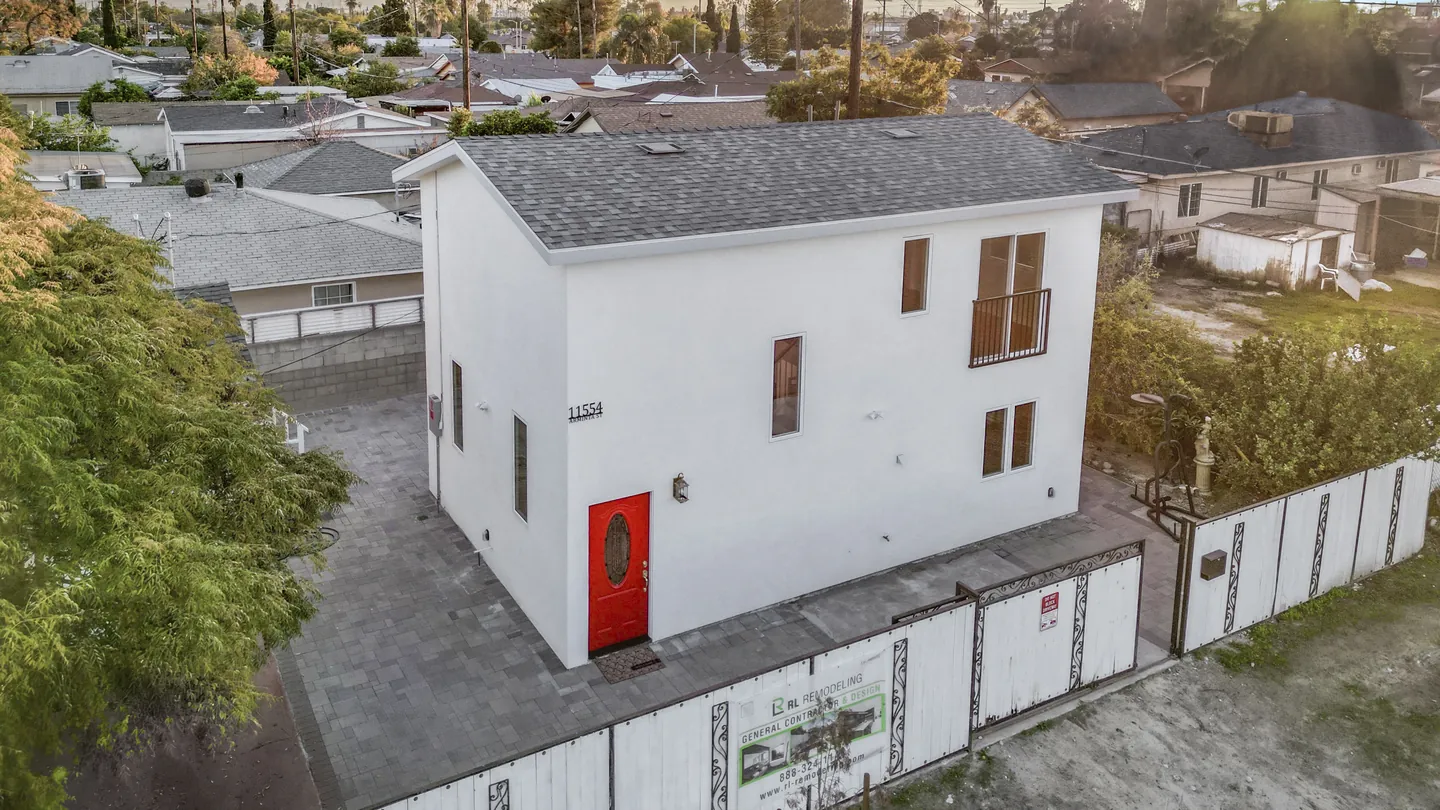
Four things protect you on an ADU project: the license, the contract, the payment schedule and the permit. You can check all four before you sign anything. This guide takes them in order, using the rules the Contractors State License Board (CSLB) publishes for California homeowners.
What license does an ADU contractor need?
California requires a contractor’s license for any job of $1,000 or more, and for any job that needs a building permit. An ADU is both.
A whole ADU takes many trades. CSLB says a Class B general building contractor can build or install one and bring in specialty trades, such as electricians and plumbers, as subcontractors. A specialty license alone is generally not enough to run the full build. If the ADU is a manufactured home built off site, a C-47 manufactured housing contractor can also install it.
How do I look up a contractor’s license?
Go to cslb.ca.gov and open “Check a License.” Search by license number, business name or the person’s name. It is free.
On the license record, confirm four things:
- the license is active
- the business name matches the name on your contract
- the classification fits the job
- a bond is on file, with workers’ compensation insurance or an exemption
The record also shows complaint disclosures.
If a salesperson signs for the company, look them up too. Only a home improvement salesperson registered with CSLB can sign a contract on a contractor’s behalf. The same tool checks that registration.
What insurance and bond should a contractor carry?
Workers’ compensation. It is required by law if the contractor has employees. A contractor with no employees can file an exemption with CSLB. If the record shows an exemption and a crew arrives, ask who employs them.
General liability. CSLB says commercial general liability insurance is not required, but it is what covers damage to your property. The contract has to tell you whether the contractor carries it. Ask for a certificate of insurance.
License bond. Every licensed contractor must have a $25,000 bond. CSLB warns that this is often not enough for a project worth more than the bond.
What does California require in the contract?
CSLB treats building an ADU as a home improvement project, so the state’s home improvement contract rules apply. The agreement must be in writing. It should include:
- the contractor’s name, address and license number
- a detailed description of the work and materials
- the total price
- a payment schedule in dollars, showing what work each payment covers
- start and completion dates
- who pulls the permits
- a notice of your right to cancel, and a mechanics lien warning
In most cases you have three business days after signing to cancel, or five if you are 65 or older. Any later change to price or scope needs a written change order, signed by both sides before that work is done.
How much can a contractor ask for up front?
Very little. The down payment on a home improvement contract cannot be more than $1,000 or 10 percent of the contract price, whichever is less. On an ADU, that means $1,000. CSLB says there is no exception for special-order materials. The one exception is a contractor that has a blanket performance and payment bond on file with CSLB.
After the down payment, money follows work. A contractor may not collect for work that is not yet done or materials that are not yet delivered. Be careful with requests to pay for plans or permits before work starts. Ask for an accounting of what they cost.
As each trade finishes, ask for a signed lien release. An unpaid subcontractor or supplier can record a mechanics lien against your property even if you paid the contractor in full.
If you plan to borrow for the build, read our guide to ADU financing before you agree to a payment schedule.
Who should handle the permits?
On a design-build ADU, the contractor should prepare the plans, submit them to the city and pull the permits. The contract should say so. If a contractor asks you to pull the permit yourself as an “owner-builder,” ask why. Then ask the building department what that would make you responsible for.
Permit steps, fees and review times differ from city to city. Ask how many ADUs the contractor has taken through your city’s building department.
How do I check references and finished work?
Ask for at least three recent ADU clients and call them. Did the job finish when promised? Did the price change, and why? How were problems handled? Then go and stand inside a finished ADU. Photos help. A visit tells you more.
Get at least three written bids based on the same plans and scope, so you compare like with like. Be cautious with a bid far below the others.
What are the red flags?
- No license number on the ad, the bid or the contract
- A down payment above $1,000, or payments that run ahead of the work
- A discount for paying cash, or a vague one-page estimate
- Pressure to sign today
- A request that you pull the permit
- Changes agreed by text or handshake, with no written change order
- A license in a different name from the company you are paying
What should I check before I sign?
A short checklist:
- I looked up the license on cslb.ca.gov, and it is active.
- The classification covers building an ADU.
- I have seen proof of general liability insurance, and of workers’ compensation or a filed exemption.
- The contract lists the work, materials, price, dates and who pulls the permits.
- The down payment is $1,000 or less, and every later payment is tied to finished work.
- I called past clients and stood inside a finished ADU.
Is The ADU Guru licensed?
Yes. Our legal name is Solmana, Inc. DBA The ADU Guru, and we are a licensed general contractor, CSLB #1146040. We design, permit and build ADUs in Los Angeles & Orange County. Look the number up like any other. Then read about the company, or see photos of finished homes.
Rules and review times vary by city. Book a free call and we will check what applies to your lot and answer any question on this page.
Sources
- Contractors State License Board: Check a License
- Contractors State License Board: Tips for Building a Residential ADU (fact sheet, November 2025)
- Contractors State License Board: Terms of Agreement, A Consumer Guide to Home Improvement Contracts
- Contractors State License Board: How do I find the right licensed contractor?
- Contractors State License Board: License Requirement for Minor Work Increases from $500 to $1,000
Rules change, and cities add their own. On a free call we check what applies to your lot.