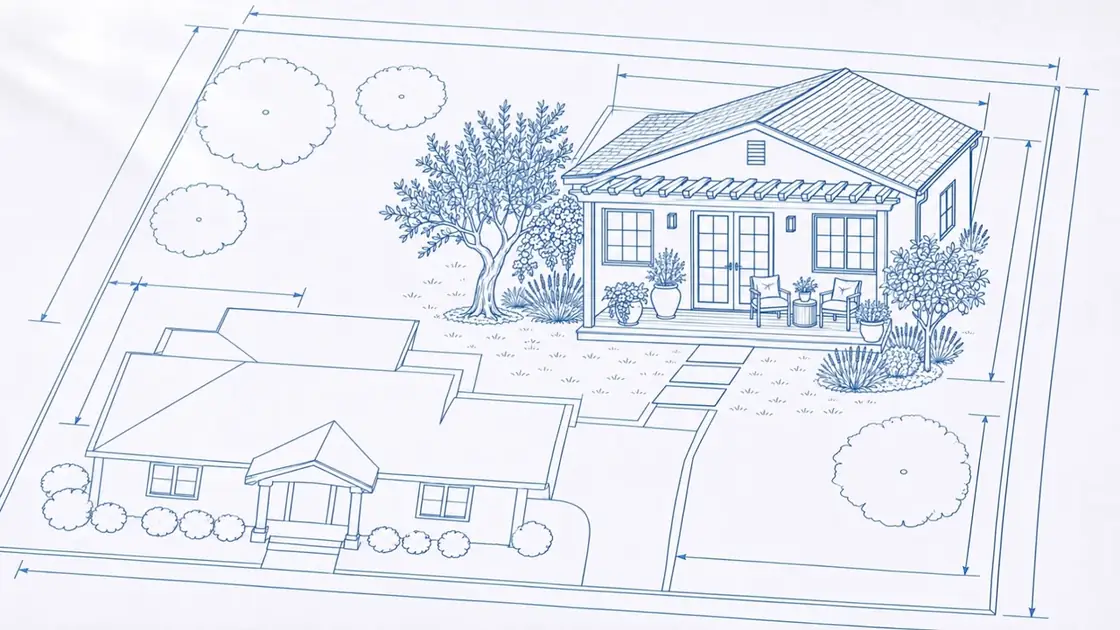
Garage conversions: what makes a good one
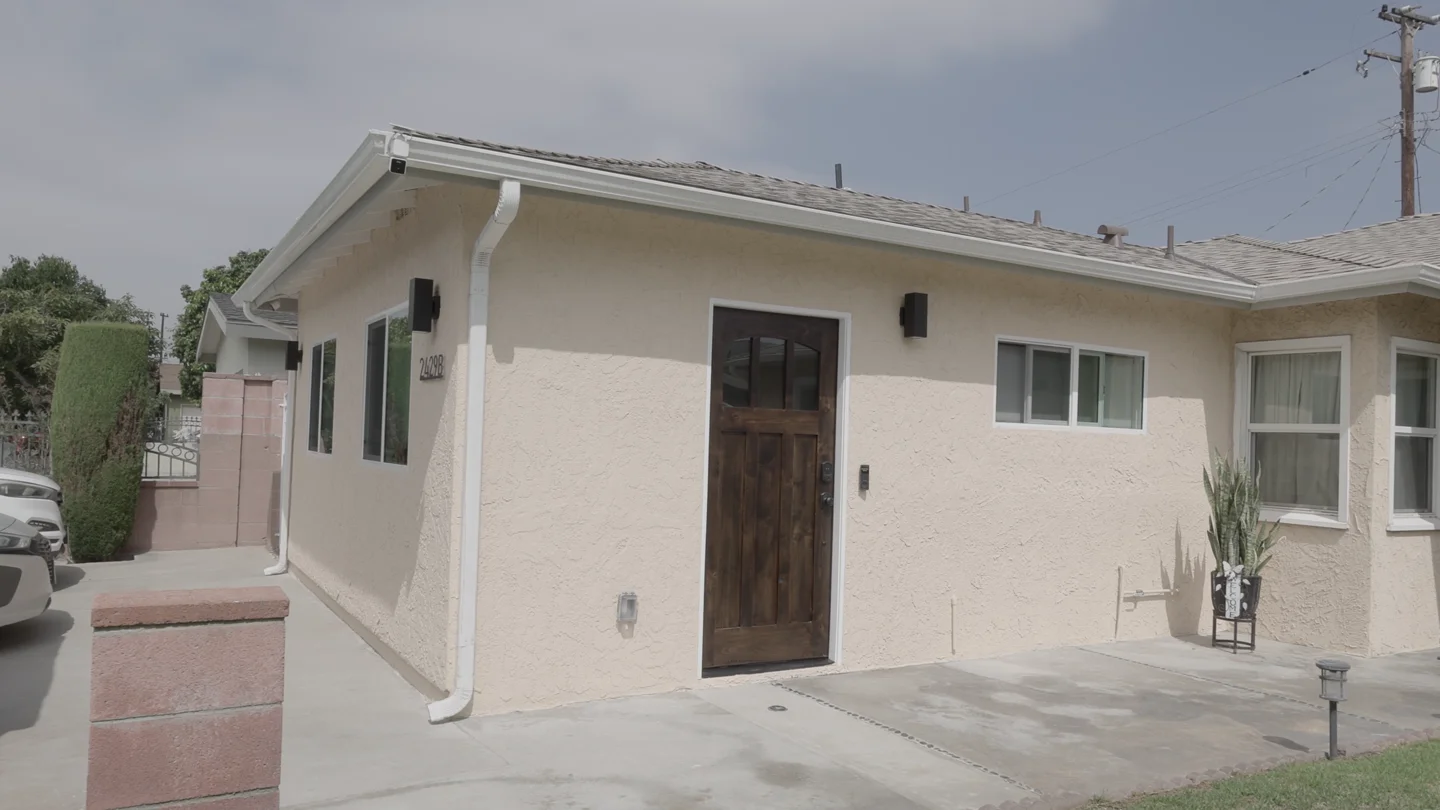
A garage is often the simplest place to start an ADU. The walls, the roof and the slab are already there, and California law is kinder to a conversion than to a new building. But a garage was built for cars, not for people, and some convert far better than others. Here is what to look for.
Can I turn my garage into an ADU in California?
Yes. State law lets you convert an attached or a detached garage into an ADU on a lot with a home. An attached garage can also become a junior ADU of up to 500 square feet. A detached garage cannot. It becomes a regular ADU.
As of November 2026, state law gives conversions several breaks:
- No new setbacks. A garage that sits near the property line, or on it, can stay where it is. The same goes for a new structure built in the same place and to the same dimensions.
- No replacement parking. The city cannot make you replace the spaces you give up, and it cannot require a parking space for an ADU made from an existing structure.
- No size cap. The garage you have sets the size. A detached garage can grow by up to 150 square feet, only to fit an entry or exit.
- No owner-occupancy rule. You do not have to live on the property to turn a garage into an ADU.
What makes a garage a good candidate?
Five things decide how well a garage converts, and what it costs.
- The slab and the frame. A dry, level slab and straight, sound framing save real money. In the City of Los Angeles, an existing slab can stay if it is sealed against moisture, and existing footings can stay if they are in good condition and meet minimum dimensions.
- Ceiling height. Los Angeles requires at least 7 feet throughout. A low garage may need its roof reframed.
- Distance to the property line. The garage can stay put, but the building code still applies. In Los Angeles, a wall less than 5 feet from the line needs one-hour fire-rated construction when the unit has no sprinklers, and windows on that side may be limited.
- The path to utilities. On a single-family lot, a city or utility cannot require a new, separate utility connection for a conversion. The pipes and wires still have to reach the garage, and a detached garage at the back of a deep lot means longer trenches. In Los Angeles the ADU needs its own electrical panel and water shut-off valve, and the city checks sewer capacity.
- Access. A side driveway, an alley or a corner lot gives the ADU its own way in. Whoever lives there does not cross your yard, and crews and materials reach the site easily.
How should a garage conversion be laid out?
A two-car garage is often around 400 square feet. That is enough for a comfortable studio or a compact one-bedroom. A few choices make the difference:
- Studio or one bedroom. A bedroom wall gives two people some privacy. In Los Angeles a bedroom needs at least 70 square feet, no side shorter than 7 feet, and a window or door large enough to escape through.
- Daylight. The old garage door opening is the natural place for glass: a wide window, or doors onto a patio. The Los Angeles standard for natural light is window area of at least 8 percent of the room’s floor area. A good design goes well past that.
- Plumbing in one place. A kitchen and a bathroom that share a wall, on the side nearest the sewer line, keep pipe runs short.
- A place outside. Even a small patio makes a 400-square-foot home feel larger.
- A front that belongs. Match the windows, siding and trim to the main house, so the old door opening disappears.
It helps to see it first. Our free 3D rendering shows your ADU before anything is built. Terms apply: it takes an in-person meeting, and you must qualify. For more layout ideas, read small ADU design, and look at finished homes on our projects page.
Is converting a garage cheaper than building new?
Often, because the shell already exists. Not always. A cracked slab, a low roof or a long trench to the sewer can close the gap. What moves the number: the condition of the structure, the distance to utilities, the kitchen and bathroom you choose, and whether you want a studio or a one-bedroom.
Two rules help. The state energy code’s solar requirement applies to newly built detached ADUs, not to conversions. And an ADU with 750 square feet or less of interior livable space pays no impact fees.
Our projects start at $139k. We have a zero-money-down program for homeowners who qualify, and financing is subject to lender approval. The free call gives you a number for your garage.
What if my garage was already converted without a permit?
State law offers a way to make it legal. For an unpermitted ADU built before January 1, 2020, a city cannot deny a permit because the unit breaks building standards or ADU rules, unless a correction is needed to protect health and safety. The City of Los Angeles has a streamlined process for these units. Before you apply, you can have a licensed contractor inspect the unit confidentially, so you know what it needs.
How long does the permit take?
The city has 15 business days to say whether your application is complete, and 60 days to approve or deny a complete one. The review is done on written standards, with no public hearing. After the final inspection the city issues a certificate of occupancy, and only then can someone move in. Plan on 6 to 12 months from first call to move-in, depending on how fast your city approves the plans. Lots in the coastal zone have an extra permit step.
Rules differ from city to city, so the first step is a look at your garage and your lot. The ADU Guru designs, permits and builds ADUs in Los Angeles and Orange County as a licensed general contractor, CSLB #1146040. Book a free call, or phone (323) 766-6656, and we will check what applies to your lot.
Sources
- Accessory Dwelling Unit Handbook, March 2026 (California Department of Housing and Community Development)
- Information Bulletin P/BC 2026-150: Accessory and Junior Accessory Dwelling Units (Los Angeles Department of Building and Safety)
- Accessory Dwelling Unit (ADU) permits and bulletins (Los Angeles Department of Building and Safety)
- Accessory Dwelling Units fact sheet, January 2026 (County of Orange, OC Development Services)
Rules change, and cities add their own. On a free call we check what applies to your lot.