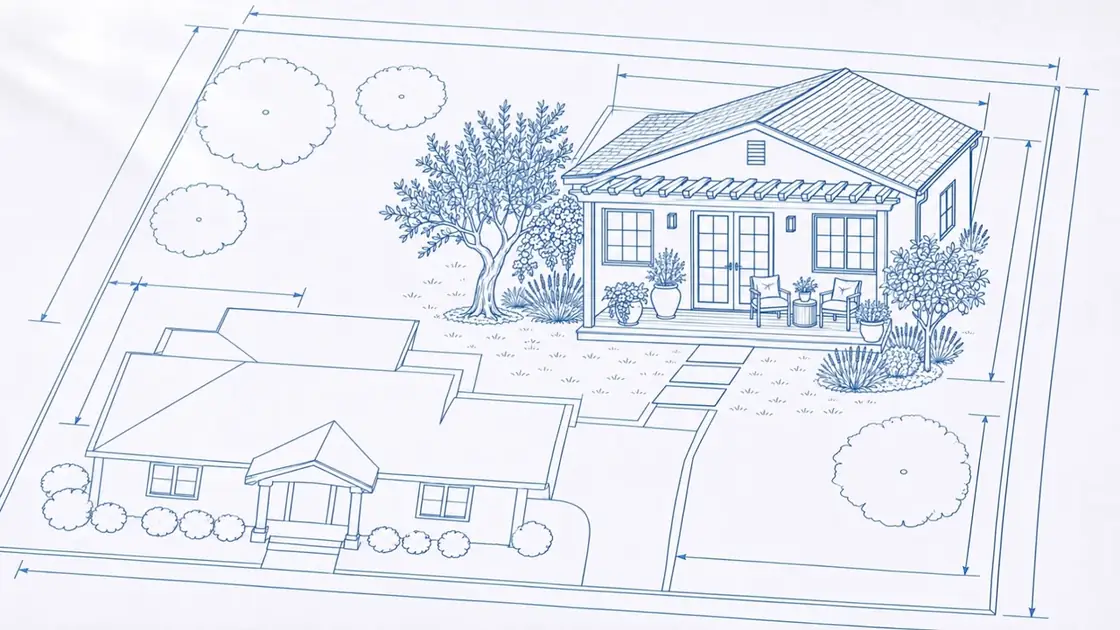
Is an ADU worth it?
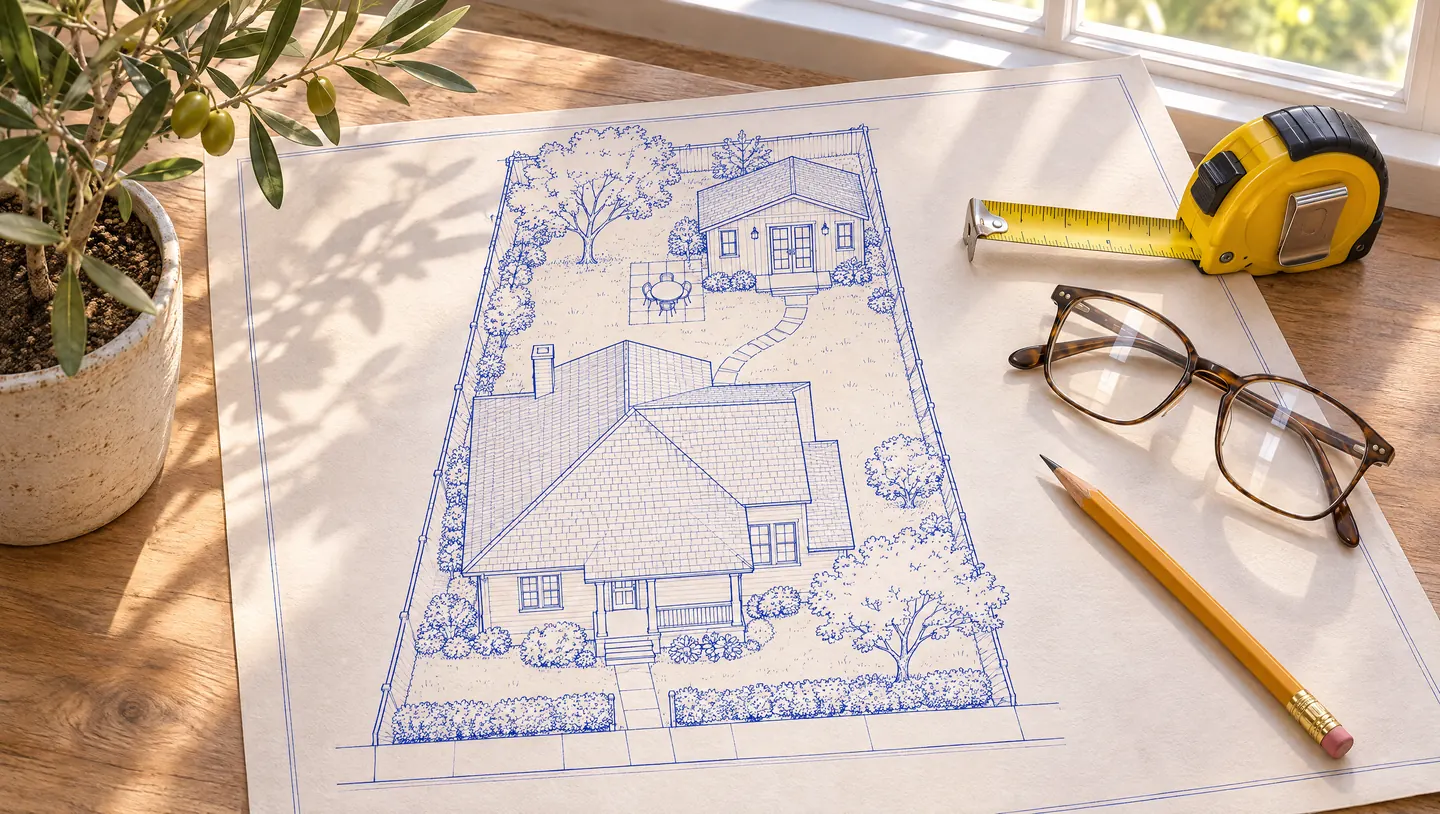
“Worth it” depends on what you want the ADU to do. A home for your mother is judged one way. A rental is judged another. This guide gives you an honest way to look at either one, with the costs and the risks in plain view.
You will not find return figures here. Nobody can promise them, and a decision this size should rest on your own numbers.
What does an ADU really cost?
Start with the build. Our projects start at $139k, and size, site and finishes move the number from there. Then count the costs that keep coming:
- Loan payments, if you borrow. See how to pay for an ADU.
- Property tax. When the ADU is finished, the county assessor adds the value of the new construction to your assessment. The assessed value of your existing home and land does not change because of it.
- Insurance. Ask your insurer what a second home on the lot, and a tenant in it, will do to your policy.
- Utilities and upkeep. New buildings need care too.
- If you rent it out: empty weeks, repairs between tenants, and income tax on the rent.
One piece of good news on fees: California does not allow cities to charge impact fees on an ADU with 750 square feet of living space or less.
Time is a cost as well. Plan on 6 to 12 months from first call to move-in, depending on how fast the city approves plans.
What can you use an ADU for?
Most homeowners build for one of four reasons:
- A home for parents, close by but under their own roof.
- A first place for grown kids.
- A smaller home for yourself, while family or tenants live in the main house.
- A long-term rental. Many people build an ADU to rent out, and rent can help with the mortgage.
The use can change over the years. A home for a parent now can become a rental later. That flexibility is a real part of what you are paying for.
Are there limits on what I can do with an ADU?
Three limits catch people by surprise:
- Short-term rentals. California requires rentals to run longer than 30 days for junior ADUs and for ADUs approved under the state’s streamlined rules. Those rules cover conversions of existing space, such as a garage, and detached units up to 800 square feet. Cities may require the same for every other ADU.
- Selling it separately. An ADU normally sells together with the main house. Selling it on its own is generally possible only where the city has adopted an ordinance that allows it.
- Junior ADUs. If a junior ADU shares a bathroom with the main house, the owner has to live on the property.
If you plan to rent, read renting out your ADU before you decide.
How do you check what homes rent for near you?
If rent is part of your plan, start with real numbers for your area, not a national average and not a sales pitch. Our free rent report shows what homes rent for in your ZIP code. Those are real local numbers. They are not a promise of what your ADU will rent for.
Then test your plan the careful way:
- Use a rent toward the low end of what you see.
- Assume some empty weeks every year.
- Subtract the loan payment, the added property tax, insurance, the utilities you cover and money set aside for repairs.
- Ask a tax professional how the rent will be taxed.
If the plan still holds, it is sturdy. If it only works when everything goes right, it is fragile.
What should you check before you decide?
- Your lot and your city. What fits, and what the city allows.
- The whole budget. Design, permits, utility connections and landscaping, not only construction.
- The payment. Could you carry it with the unit empty?
- The long view. Who lives there in year one, and in year ten?
- The landlord question. Do you want a tenant in your backyard?
- Your contractor’s license. Look it up with the Contractors State License Board. Ours is CSLB #1146040.
- Your insurer and your tax professional. Call both before you commit.
What are the risks?
An honest list:
- Cost and time can run over. City review is the part nobody controls.
- A rental can sit empty. Tenants can pay late or cause damage.
- Rules change. Rent limits, tenant protections and short-term rental rules have all changed in recent years.
- Property tax goes up, and insurance may too.
- You give up some yard and gain a neighbor. Privacy takes planning.
- If you borrow against your home, the home is the collateral.
- Resale is not a sure thing. What an ADU adds to a sale price depends on the buyer and the market on the day you sell.
When is an ADU not worth it?
It is probably the wrong move if the numbers only work with short-term rentals, if the payment would strain you without rent, or if no one in your house wants a neighbor out back.
It is a strong candidate when you have a clear use for it, a budget with room in it, and a plan to stay in the home.
A good first step costs nothing. Get your free rent report for your ZIP code, and decide with real numbers in front of you.
Sources
- Accessory Dwelling Unit Handbook (March 2026), California Department of Housing and Community Development
- New Construction, California State Board of Equalization
- Topic no. 414, Rental income and expenses, Internal Revenue Service
- Rental income, California Franchise Tax Board
Rules change, and cities add their own. On a free call we check what applies to your lot.